


Global Agricultural Chemicals: Production, Trade, and Tariff Impacts
Global Agricultural Chemicals: Production, Trade, and Tariff Impacts
Dear readers,
We have brought you a 4-article series on the global agrochemical market to give you a detailed overview of the current market scenario. If you wish to dig deeper, you are always welcome to explore more niche market reports using the search option on our website.
So let’s start with the first one!
Part 1: Global Market Structure of Agri-Chemicals: Producers, Exporters, and Leading Companies
The global agricultural chemicals industry plays a pivotal role in modern agriculture by supplying critical inputs like fertilizers and pesticides that enhance crop productivity, safeguard crops from pests, and enable intensive farming practices. As of 2023–24, this sector remains highly concentrated, dominated by a few key nations and multinational corporations whose strategies influence both global supply and pricing.
1. Global Leaders in Agri-Chemical Production and Export
Pesticides: China's Commanding Presence
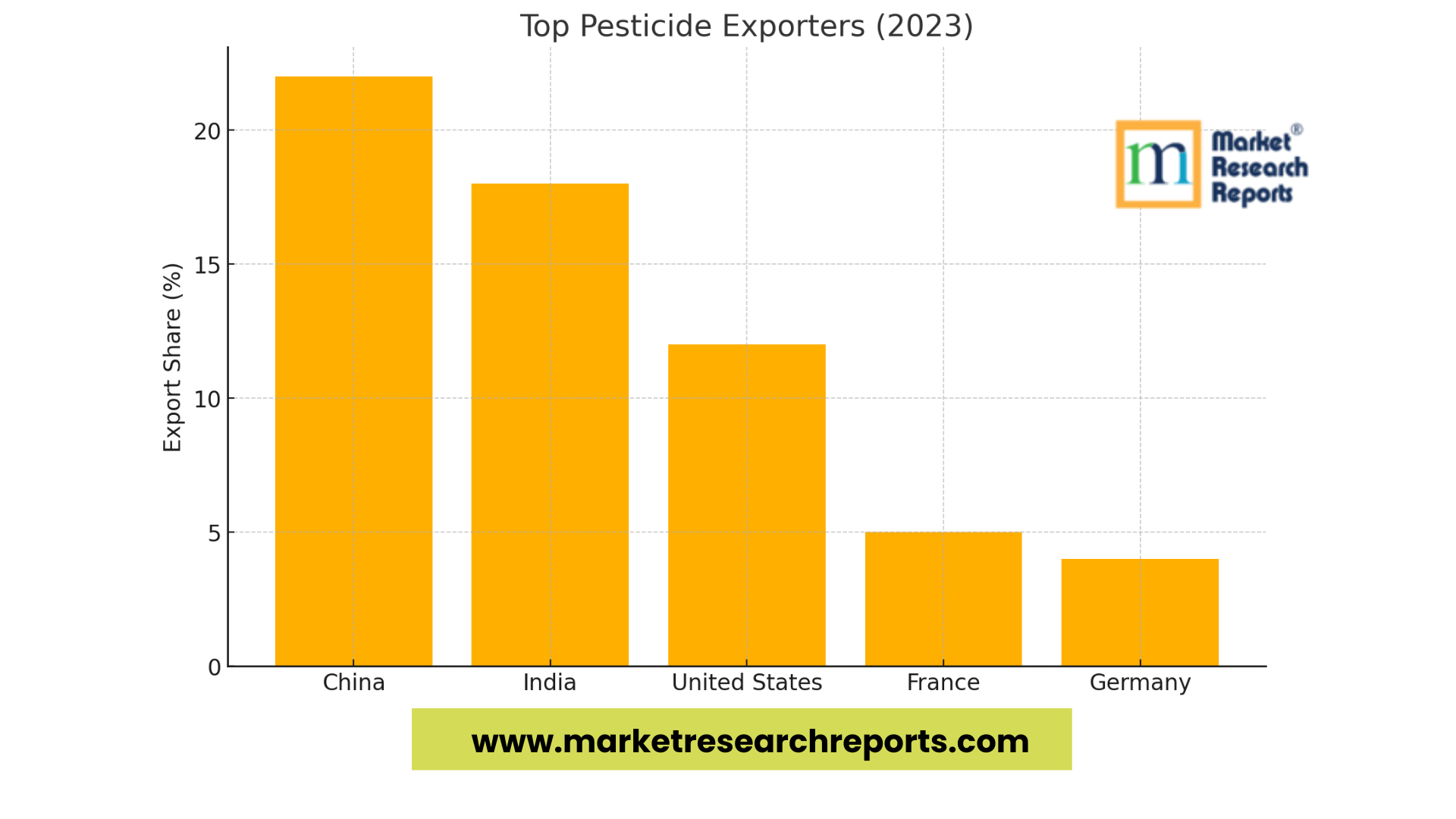
China has solidified its position as the global leader in pesticide exports, accounting for over 22% of total exports in 2023, thanks to its cost-competitive manufacturing base and integrated supply chain. This includes both state-owned enterprises and private firms. Strategic moves like the ChemChina-Syngenta acquisition and subsequent merger with Sinochem have enhanced China's global footprint.
Other leading exporters include:
-
India (18%) – Especially strong in generics, now the second-largest pesticide exporter.
-
United States (12%), France (5%), and Germany (4%) – With longstanding chemical research and industrial infrastructure.
Fertilizers: Russia, China, and Canada Lead
In fertilizers, the global export market is led by:
-
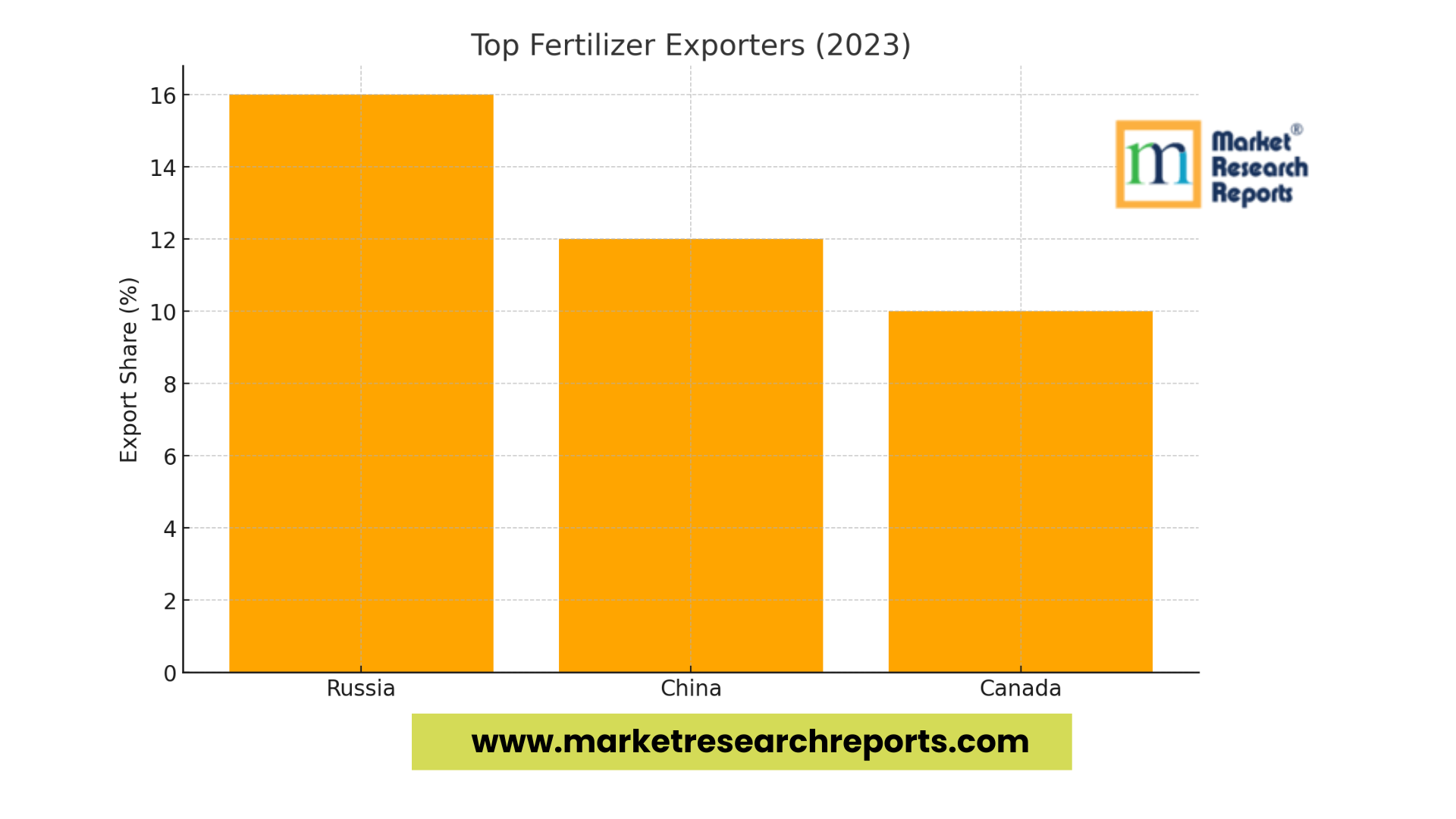
Russia (16%)
-
China (12%)
-
Canada (10%)
These countries excel in nitrogen, phosphate, and potash-based fertilizers, with export volumes playing a crucial role in global supply stability and pricing.
2. Key Companies Dominating the Market
Crop Protection Sector: The Big Four
The global crop protection market is controlled by a group often referred to as the "Big Four":
-
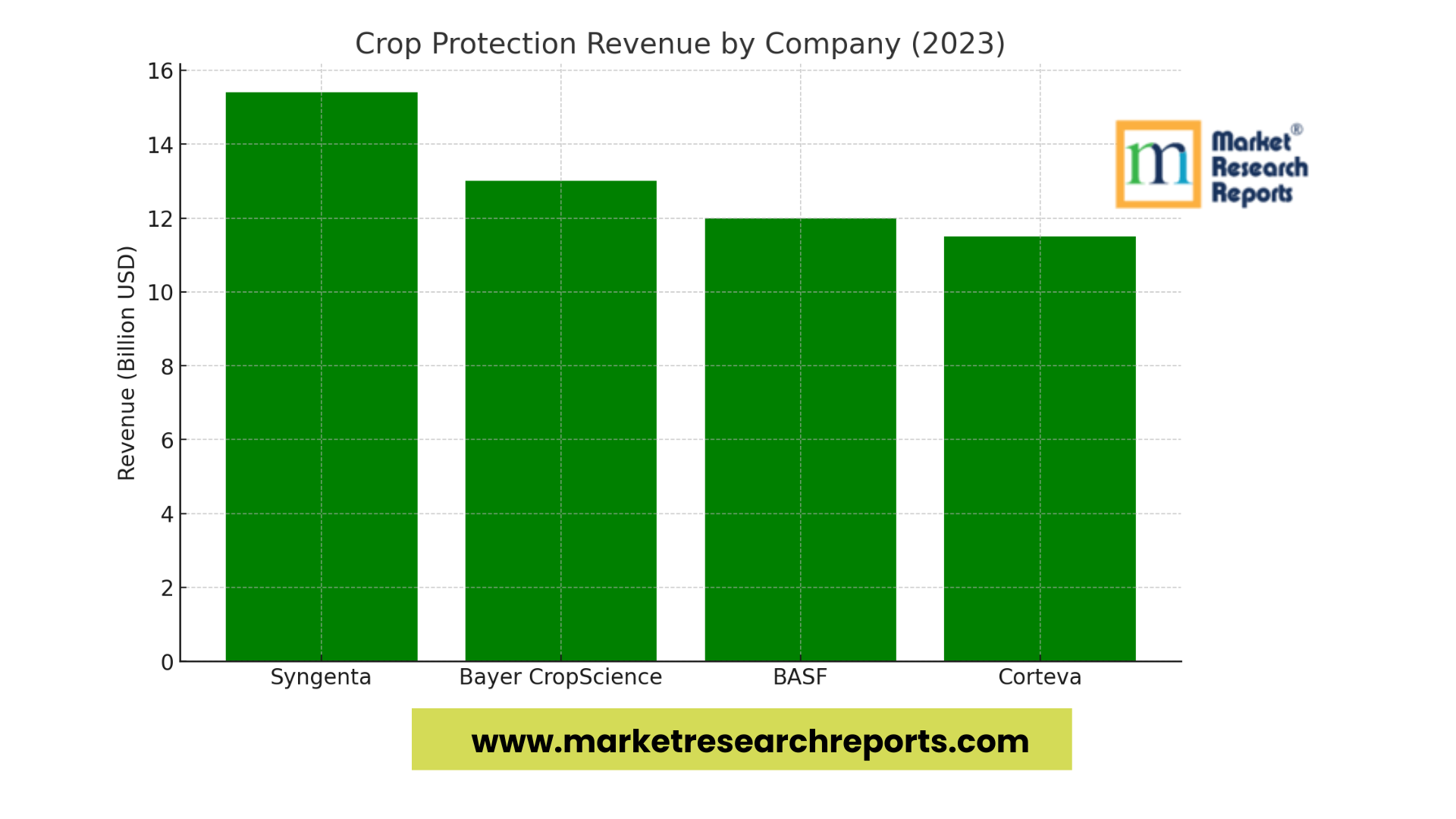
Syngenta (China) – ~$15.4 billion revenue in 2023
-
Bayer CropScience (Germany)
-
BASF (Germany)
-
Corteva (USA)
These firms collectively command around 60% of the market, offering a full suite of herbicides, insecticides, fungicides, and biological solutions.
Additionally, firms like UPL (India), FMC (USA), ADAMA (China), and Sumitomo Chemical (Japan) make up the second tier, while 12 of the top 20 pesticide companies are now based in China, reflecting its growing dominance.
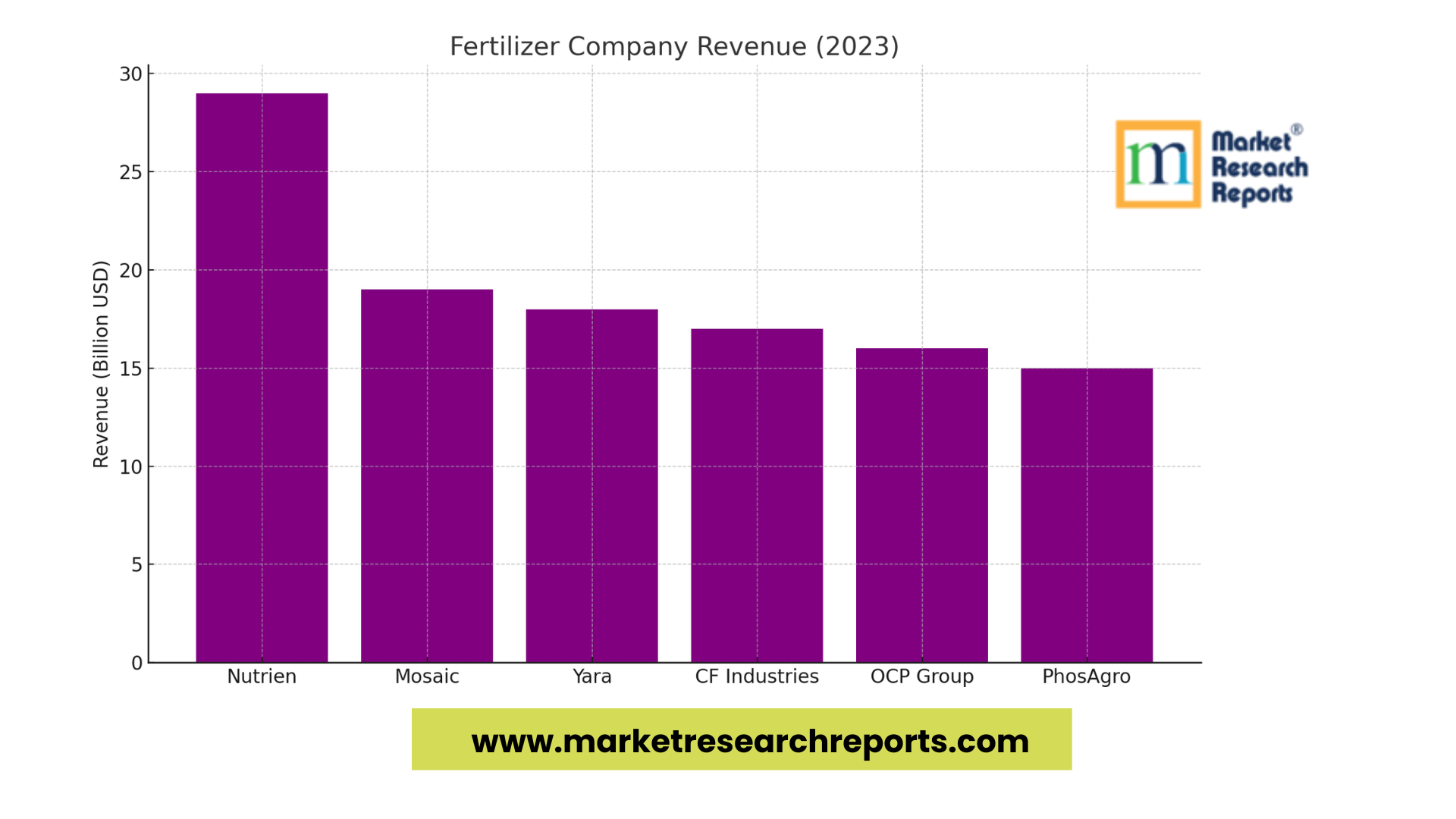
Fertilizer Companies: Nutrien Takes the Lead
The fertilizer segment is similarly concentrated, with:
-
Nutrien (Canada) – ~$29 billion revenue in 2023
-
Mosaic (USA) and Yara (Norway) close behind
-
CF Industries (USA), OCP Group (Morocco), and PhosAgro (Russia) also playing major roles
These companies not only ensure global supply but also influence pricing through their capacity decisions and export strategies.
3. Strategic Interdependence and Market Trends
The agri-chemical industry’s structure reveals a high degree of strategic interdependence. Decisions made by a handful of countries and corporations—whether related to production caps, mergers, or export restrictions—can ripple across global food supply chains. As climate volatility and food security remain top concerns, these stakeholders’ actions will increasingly shape the future of farming.
Conclusion
The global agri-chemical market in 2023–24 is defined by China’s leadership in pesticides, Russia’s prominence in fertilizers, and the market concentration among top-tier corporations. This concentration brings both efficiencies in innovation and risks related to supply disruptions. Understanding these dynamics is essential for policymakers, investors, and agribusinesses seeking to navigate the evolving agricultural landscape.
Read Next Article: Global Agrochemical Trade Overview (2021–2024): Major Importers and Consumers of Agrochemicals