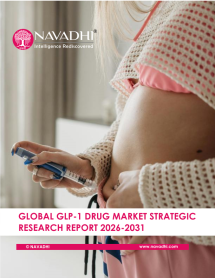
Global GLP-1 Drug Market Strategic Research Report
By Type: Tirzepatide (Mounjaro/Zepbound), Semaglutide Injectable (Ozempic/Wegovy), Oral Semaglutide (Rybelsus), GLP-1 Biosimilars and Emerging Pipeline, Dulaglutide (Trulicity)
By Application: Type 2 Diabetes, Obesity and Weight Management, Cardiovascular Risk Reduction, Chronic Kidney Disease, Other Emerging Applications
Regional Forecast: Asia Pacific, Latin America, MEA, Europe, North America
Key Players: Eli Lilly and Company, Novo Nordisk A/S, Biocon Biologics Limited, Amgen Inc., Viking Therapeutics, Zealand Pharma A/S, Hanmi Pharmaceutical Co., Roche / Genentech
Vue d'ensemble
The global GLP-1 drug market continues its rapid expansion through the 2025–2031 forecast window, with growth increasingly driven by indication expansion beyond core metabolic disease, oral formulation development widening the addressable patient population, and manufacturing capacity expansion resolving the structural supply constraints that defined the 2022–2024 launch phase.
The competitive landscape remains concentrated around the two incumbent leaders, with a well-capitalised second wave of pipeline and biosimilar entrants -- spanning established pharmaceutical majors and specialty biologics manufacturers -- positioning for share through the forecast horizon as indication expansion and formulation innovation reshape the competitive set.
This report provides full market sizing and forecasting, segmentation by drug type and application, regional and country-level forecasts across all five major regions, verified company profiles for the leading and emerging players, competitive landscape analysis, Porter's Five Forces, PESTLE, and SWOT analysis, and forward-looking strategic implications through 2031.
Scope of Global GLP-1 Drug Market Strategic Research Report
- This report provides forecast data by value (in USD billion) for the global GLP-1 drug market, with 2025 as the base year and 2022–2024 as the historical period, forecasting to 2031.
- This report provides segment by type (Tirzepatide (Mounjaro/Zepbound), Semaglutide Injectable (Ozempic/Wegovy), Oral Semaglutide (Rybelsus), GLP-1 Biosimilars and Emerging Pipeline, Dulaglutide (Trulicity)) forecast data by value for the global GLP-1 drug market.
- This report provides application segments (Type 2 Diabetes, Obesity and Weight Management, Cardiovascular Risk Reduction, Chronic Kidney Disease, Other Emerging Applications) forecast data by value for the global GLP-1 drug market.
- This report provides region-wise (North America, Europe, Asia Pacific, Latin America, MEA) forecast data by value for the global GLP-1 drug market.
- This report also provides country-wise forecast data for the major markets across all five regions.
- This report identifies key growth drivers and inhibitors (pain points) affecting the global GLP-1 drug market.
- This report provides company profiles including Company Overview, Key Products & Segments, Financial Performance, Business Strategy, and Strategic Implications, along with competitive landscape for 244-page-detailed, verified companies in the global GLP-1 drug market.
- This report provides Porter's Five Forces analysis for the global GLP-1 drug market.
- This report provides PESTLE (Political, Economic, Social, Technological, Legal and Environmental) analysis for the global GLP-1 drug market.
- This report provides SWOT (Strengths, Weaknesses, Opportunities and Threats) analysis for the global GLP-1 drug market.
- This report identifies key future trends in the global GLP-1 drug market.
Segment by Type in Global GLP-1 Drug Market Strategic Research Report
- Tirzepatide (Mounjaro/Zepbound)
- Semaglutide Injectable (Ozempic/Wegovy)
- Oral Semaglutide (Rybelsus)
- GLP-1 Biosimilars and Emerging Pipeline
- Dulaglutide (Trulicity)
Segment by Application in Global GLP-1 Drug Market Strategic Research Report
- Type 2 Diabetes
- Obesity and Weight Management
- Cardiovascular Risk Reduction
- Chronic Kidney Disease
- Other Emerging Applications
Segment by Region in Global GLP-1 Drug Market Strategic Research Report
- North America
- United States
- Canada
- Europe
- Germany
- United Kingdom
- France
- Italy
- Spain
- Rest of Europe
- Asia Pacific
- Japan
- China
- South Korea
- India
- Australia
- Rest of Asia Pacific
- Latin America
- Brazil
- Mexico
- Argentina
- Colombia
- Rest of Latin America
- MEA
- Saudi Arabia
- United Arab Emirates
- South Africa
- Turkey
- Rest of MEA
Who can use the Global GLP-1 Drug Market Strategic Research Report?
This research report is ideal for people who wish to gain a thorough understanding of the global GLP-1 drug market. Some of the intended users for this report are:
- C-level executives and Company Directors in pharmaceutical, biotechnology, and healthcare companies
- Industry consultants and Management consultants
- Marketing professionals and Business development professionals
- Investment managers, Financial professionals, and Venture Capitalists
- Bank Managers, M&A Managers, and Auditors
- Payers, Healthcare Policy Analysts, and Market Access professionals
- Portfolio Managers and Equity Research Analysts covering pharmaceuticals
- Anyone operating in the GLP-1 drug value chain, from R&D through commercialization
Market snapshot
Global GLP-1 Drug Market Strategic Research Report snapshot, 2025–2031
 © MarketResearchReports.comDisclaimer: The actual data may vary in the final report which undergoes verification check post order confirmation.
Segments covered in this report
Table of contents
01Executive Summary
- 1.1 Market Positioning Statement
- 1.2 Market Sizing and Forecast Overview
- 1.3 The Competitive Landscape: A Leadership Reversal in Real Time
- 1.4 Market Segmentation Overview
- 1.5 Primary Growth Drivers and Inhibitors
- 1.6 Strategic Implications
02Industry Overview & Forecast
- 2.1 Market Scale and Historical Trajectory
- 2.2 Forecast Structure and Growth Rate Assumptions
- 2.3 Market Segmentation by Product Type
- 2.4 Market Segmentation by Application
- 2.5 Regional Market Dynamics
- 2.6 Transition from Early-Launch to Maturity Phase
03Market Segmentation by Type
- 3.1 Overview and Segment Architecture
- 3.2 Tirzepatide (Mounjaro/Zepbound)
- 3.3 Semaglutide Injectable (Ozempic/Wegovy)
- 3.4 Oral Semaglutide (Rybelsus)
- 3.5 GLP-1 Biosimilars and Emerging Pipeline
- 3.6 Dulaglutide (Trulicity) — Legacy Segment in Structural Decline
- 3.7 Segment Synthesis and Competitive Positioning
04Market Segmentation by Application
- 4.1 Application Landscape Overview
- 4.2 Type 2 Diabetes
- 4.3 Obesity and Weight Management
- 4.4 Cardiovascular Risk Reduction
- 4.5 Chronic Kidney Disease
- 4.6 Other Emerging Applications
- 4.7 Application Segmentation
05Regional Market Forecast
- 5.1 North America
- 5.2 Europe
- 5.3 Asia Pacific
- 5.4 Latin America
- 5.5 MEA
06Country-Level Market Forecast
- 6.1 North America
- 6.1.1 United States
- 6.1.2 Canada
- 6.2 Europe
- 6.2.1 Germany
- 6.2.2 United Kingdom
- 6.2.3 France
- 6.2.4 Italy
- 6.2.5 Spain
- 6.2.6 Rest of Europe
- 6.3 Asia Pacific
- 6.3.1 Japan
- 6.3.2 China
- 6.3.3 South Korea
- 6.3.4 India
- 6.3.5 Australia
- 6.3.6 Rest of Asia Pacific
- 6.4 Latin America
- 6.4.1 Brazil
- 6.4.2 Mexico
- 6.4.3 Argentina
- 6.4.4 Colombia
- 6.4.5 Rest of Latin America
- 6.5 MEA
- 6.5.1 Saudi Arabia
- 6.5.2 United Arab Emirates
- 6.5.3 South Africa
- 6.5.4 Turkey
- 6.5.5 Rest of MEA
07Growth Drivers & Inhibitors
- 7.1 Overview
- 7.2 Primary Growth Drivers
- 7.2.1 Accelerating Indication Expansion Beyond Core Metabolic Disease
- 7.2.2 Oral Formulation Development Structurally Expanding the Addressable Patient Population
- 7.2.3 Manufacturing Capacity Expansion Resolving Structural Supply Constraints
- 7.3 Primary Market Inhibitors
- 7.3.1 US Government Pricing Interventions Compressing Per-Unit Revenue
- 7.3.2 Medicare Part D Negotiated Pricing Introducing Sustained Structural Pricing Pressure
- 7.3.3 Compounded and Unauthorised GLP-1 Products Eroding Cash-Pay Revenue
- 7.3.4 Biosimilar and Generic Entry Compressing Average Selling Prices Across the Category
- 7.4 Net Assessment
08Key Company Profiles
- 8.1 Eli Lilly and Company
- 8.1.1 Company Overview
- 8.1.2 Key Products & Segments
- 8.1.3 Financial Performance (2023–2025)
- 8.1.4 Business Strategy
- 8.1.5 SWOT Analysis
- 8.1.6 Strategic Implications (2025–2031)
- 8.2 Novo Nordisk A/S
- 8.2.1 Company Overview
- 8.2.2 Key Products & Segments
- 8.2.3 Financial Performance (2023–2025)
- 8.2.4 Business Strategy
- 8.2.5 SWOT Analysis
- 8.2.6 Strategic Implications (2025–2031)
- 8.3 Biocon Biologics Limited
- 8.3.1 Company Overview
- 8.3.2 Key Products & Segments
- 8.3.3 Financial Performance (2023–2025)
- 8.3.4 Business Strategy
- 8.3.5 SWOT Analysis
- 8.3.6 Strategic Implications (2025–2031)
- 8.4 Amgen Inc.
- 8.4.1 Company Overview
- 8.4.2 Key Products & Segments
- 8.4.3 Financial Performance (2023–2025)
- 8.4.4 Business Strategy
- 8.4.5 SWOT Analysis
- 8.4.6 Strategic Implications (2025–2031)
- 8.5 Viking Therapeutics
- 8.5.1 Company Overview
- 8.5.2 Key Products & Segments
- 8.5.3 Financial Performance (2023–2025)
- 8.5.4 Business Strategy
- 8.5.5 SWOT Analysis
- 8.5.6 Strategic Implications (2025–2031)
- 8.6 Zealand Pharma A/S
- 8.6.1 Company Overview
- 8.6.2 Key Products & Segments
- 8.6.3 Financial Performance (2023–2025)
- 8.6.4 Business Strategy
- 8.6.5 SWOT Analysis
- 8.6.6 Strategic Implications (2025–2031)
- 8.7 Hanmi Pharmaceutical Co.
- 8.7.1 Company Overview
- 8.7.2 Key Products & Segments
- 8.7.3 Financial Performance (2023–2025)
- 8.7.4 Business Strategy
- 8.7.5 SWOT Analysis
- 8.7.6 Strategic Implications (2025–2031)
- 8.8 Roche / Genentech
- 8.8.1 Company Overview
- 8.8.2 Key Products & Segments
- 8.8.3 Financial Performance (2023–2025)
- 8.8.4 Business Strategy
- 8.8.5 SWOT Analysis
- 8.8.6 Strategic Implications (2025–2031)
09Competitive Landscape
- 9.1 Competitive Landscape Overview
- 9.2 Competitive Intensity Assessment
- 9.2.1 Tier Structure and Revenue Ranges
- 9.2.2 Capacity vs. Demand Dynamics
- 9.2.3 Pricing Environment
- 9.2.4 Barriers to Entry and Exit
- 9.3 Key Player Strategies & Positioning
- 9.4 Competitive Dynamics & Strategic Outlook
- 9.4.1 The Duopoly Under Siege
- 9.4.2 Competitive Threat Matrix: Entrant Profiles and Entry Timelines
- 9.4.3 Emerging Competitive Threats: Three Distinct Vectors
- 9.4.4 Consolidation Versus Fragmentation Outlook
- 9.4.5 Strategic Recommendations: 2025–2031
10Porter's Five Forces Analysis
- 10.1 Threat of New Entrants
- 10.2 Bargaining Power of Buyers
- 10.3 Bargaining Power of Suppliers
- 10.4 Threat of Substitutes
- 10.5 Competitive Rivalry
11PESTLE Analysis
- 11.1 Overview
- 11.2 Political
- 11.2.1 Government Drug Pricing Intervention
- 11.2.2 Medicare Part D Negotiated Pricing
- 11.2.3 International Affordability and Access Policy
- 11.2.4 Political Risk in Emerging Markets
- 11.2.5 Summary Assessment
- 11.3 Economic
- 11.3.1 Market Scale and Growth Trajectory
- 11.3.2 Affordability and Payer Economics
- 11.3.3 Price Reduction and Volume Dynamics
- 11.3.4 Currency Dynamics and Novo Nordisk Exposure
- 11.3.5 R&D Investment Economics
- 11.3.6 Biosimilar Economics
- 11.3.7 Macroeconomic Sensitivity
- 11.4 Societal
- 11.4.1 Global Obesity Epidemic as Structural Demand Driver
- 11.4.2 Stigma Reduction and Patient Empowerment
- 11.4.3 Health Equity and Access Disparities
- 11.4.4 Shifting Perceptions of Weight Loss Treatment
- 11.4.5 Ageing Demographics
- 11.4.6 Physician Prescribing Culture
- 11.5 Technological
- 11.5.1 Tirzepatide's Dual-Agonist Innovation
- 11.5.2 Oral GLP-1 Formulation Development
- 11.5.3 Triple and Multi-Receptor Agonist Development
- 11.5.4 Manufacturing Technology and Capacity
- 11.5.5 Delivery Technology Innovation
- 11.5.6 AI and Digital Health Integration
- 11.5.7 Biosimilar Technology Complexity
- 11.6 Legal
- 11.6.1 Intellectual Property Landscape
- 11.6.2 Patent Litigation
- 11.6.3 Regulatory Approval and Label Expansion Litigation
- 11.6.4 Product Liability
- 11.6.5 Antitrust and Competition Law
- 11.6.6 Data Privacy in Digital Health Integration
- 11.7 Environmental
- 11.7.1 Manufacturing Carbon Footprint
- 11.7.2 Pharmaceutical Waste and Environmental Contamination
- 11.7.3 Climate Resilience of Supply Chains
- 11.7.4 Packaging and Cold Chain Sustainability
- 11.7.5 Environmental Drivers of Chronic Disease
- 11.7.6 ESG-Linked Capital Allocation
- 11.8 PESTLE Synthesis and Strategic Implications
12SWOT Analysis
- 12.1 Strategic Framework Overview
- 12.2 Strengths
- 12.2.1 Validated, Expanding Clinical Efficacy Profile
- 12.2.2 Incumbent Commercial Infrastructure at Scale
- 12.2.3 Manufacturing Scale as a Structural Moat
- 12.2.4 Category-Level Brand Recognition and Patient Pull
- 12.3 Weaknesses
- 12.3.1 Pricing Vulnerability and Reimbursement Dependency
- 12.3.2 Manufacturing Complexity and Yield Constraints
- 12.3.3 Patient Discontinuation and Adherence Dynamics
- 12.3.4 Duopoly Concentration Risk
- 12.4 Opportunities
- 12.4.1 Indication Expansion Across Metabolic and Cardiometabolic Disease
- 12.4.2 Oral Formulation Development and Route Diversification
- 12.4.3 Emerging Market Penetration
- 12.4.4 Combination Therapy and Precision Medicine Positioning
- 12.4.5 Digital Health and Adherence Platform Integration
- 12.5 Threats
- 12.5.1 Biosimilar and Generic Entry Pressure
- 12.5.2 Regulatory and Policy Pricing Intervention
- 12.5.3 Pipeline Competitive Entry from Well-Capitalised Challengers
- 12.5.4 Safety Signal Risk and Pharmacovigilance Exposure
- 12.5.5 Compounding and Unauthorised Substitution
- 12.6 SWOT Synthesis and Strategic Implications
13Future Trends & Outlook
- 13.1 Executive Summary of the Outlook
- 13.2 Pricing Reform and Policy Headwinds
- 13.3 Indication Expansion: The Platform Medicine Transformation
- 13.4 The Oral GLP-1 Revolution: Format Disruption and Access Expansion
- 13.5 Biosimilar and Competitive Entry
- 13.6 Regional Outlook
- 13.7 Technology and Delivery Innovation: The Next Competitive Frontier
- 13.8 Competitive Strategy Implications: Eli Lilly versus Novo Nordisk
- 13.9 Key Risks and Scenarios to the Forecast
- 13.10 Strategic Conclusions for Market Participants
Tables and figures
This report includes 94 data exhibits (charts, tables, and figures) covering market sizing, segmentation, regional/country forecasts, competitive positioning, and company financials.
Frequently asked questions
What is the size of the global GLP-1 drug market?
Which companies lead the GLP-1 drug market?
Which region leads the GLP-1 drug market?
How is the market segmented in this report?
What forecast period does this report cover?
Does this report include company profiles?
Research Methodology
All MarketResearchReports.com strategic research reports follow a rigorous, multi-stage methodology combining AI-assisted data synthesis with expert analyst validation.
Systematic collection from 500+ verified sources including SEC filings, industry databases (Bloomberg, Statista, OECD), regulatory filings, trade publications, patent databases, and company annual reports. AI-assisted extraction identifies relevant data points across 10,000+ documents per report.
Dual-validation approach: bottom-up sizing aggregates segment-level production, consumption, and trade data; top-down sizing cross-validates against macroeconomic indicators and total addressable market estimates. Discrepancies >5% trigger analyst review.
Company profiles built from public financial disclosures, product launches, M&A activity, job postings (as capability proxies), and supply chain mapping. Market share estimates triangulated across revenue, capacity, and shipment data.
CAGR projections use time-series regression on 5-10 years of historical data, adjusted for identified demand drivers (technology adoption curves, regulatory catalysts, demographic shifts) and demand inhibitors (cost barriers, substitution risk). Scenario modeling covers base, optimistic, and conservative cases.
All quantitative outputs reviewed by a domain-specialist analyst before publication. Data triangulation requires minimum 3 independent sources for every key figure. Reports undergo a structured peer review against our 47-point quality checklist covering methodology, data citations, logical consistency, and formatting standards.
On-demand reports are generated at time of purchase, incorporating the most recent available data. Static reports are republished when underlying market conditions shift by >10% from baseline assumptions. Purchasers receive update notifications for 12 months.
Related reports
 Navadhi Market Research · Pharmaceuticals
Global Peptide Market Strategic Intelligence Suite
The Global Peptide Market Strategic Intelligence Suite 2026–2031 is Navadhi Market Research's most comprehensive intelligence offering on the global peptide industry…
Navadhi Market Research · PharmaceuticalsGlobal Oncology Market Strategic Research Report
The global oncology market is undergoing a historic structural transformation driven by three simultaneous pharmaceutical supercycles - the immunotherapy/checkpoint …
Navadhi Market Research · PharmaceuticalsGlobal Peptide Therapy Market Strategic Research Report
The global peptide therapy market is undergoing an unprecedented structural transformation driven by the GLP-1 revolution - the extraordinary commercial success of G…
Need a customized version?
Get country-, segment- or company-specific intelligence tailored to your exact requirements.
Request custom research →Request a free sample
Receive a sample of Global GLP-1 Drug Market Strategic Research Report before you buy.
Customize This Report
Describe your specific requirements and our analysts will scope and deliver a tailored version.
Request Invoice
We will email a proforma invoice within 24 hours. Report access is granted upon payment confirmation.
Leading Brands in This Industry